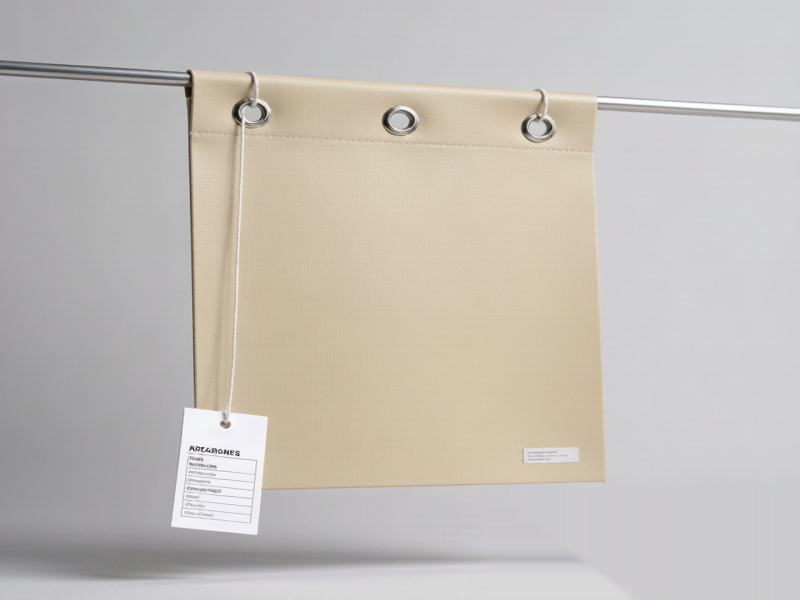
TPO Cover vs PVC Cover — Weatherability, Chemical Resistance and UV Life-Cycle Comparison
TPO cover delivers 500–1500 gsm, 1500–4000 N/5cm tensile, 150–400 N tear, 80–150 N/5cm adhesion, up to 3.2 m width — values higher than both TPU cover and most PVC cover on tensile and tear, with superior UV and chemical resistance for acid/alkali industrial environments.
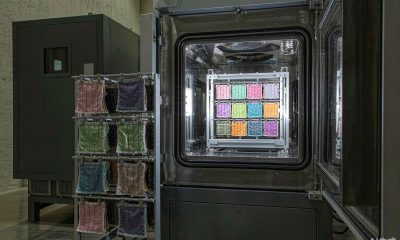
- For geomembranes in acid drainage sites, biogas digesters, or chemical storage yard covers: TPO is preferred over both TPU and PVC. TPU cover swells under aromatic solvent contact; PVC cover loses tensile strength by around 40 % after 3 years of 3000+ hours of outdoor UV (ISO 4892-2 Method A). TPO cover maintains 90 % of its tensile strength after the same UV exposure.
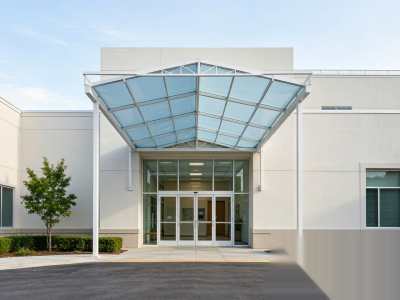
- For large-format architectural membrane covers or 3 m-wide continuous covers: TPO up to 3.2 m width requires fewer seams than TPU ≤ 3 m or standard PVC ≤ 3 m, reducing leakage points and installation labour by 20–30 %.
- What TPO cover costs more than: Lightweight 330 gsm PVC cover for temporary truck covers or agricultural tarps — PVC's cost-per-square-metre is approximately 40–50 % lower for one-season use where UV and chemical contact are minimal.
For a full three-way TPU / TPO / PVC cover specification table, visit the Cover vs PVC Cover guide, and cross-reference this page with TPU Coated Fabric, PVC Oil Tank Cover Fabric and Lightweight PVC Tarpaulin 330gsm.
TPO Coated Fabric
Product Introduction
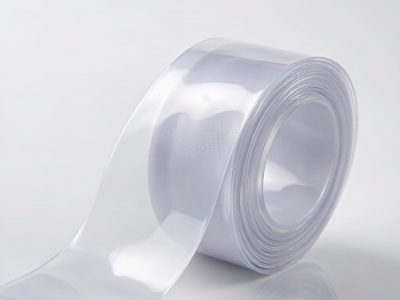
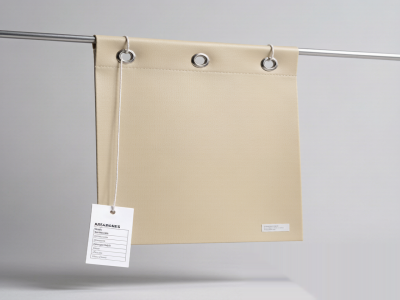
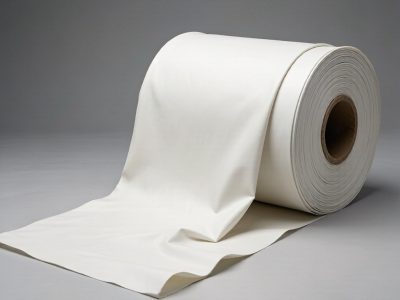
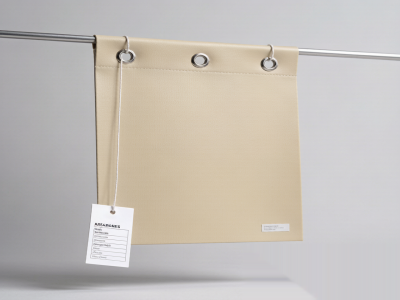
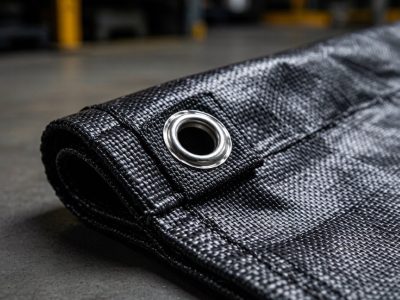
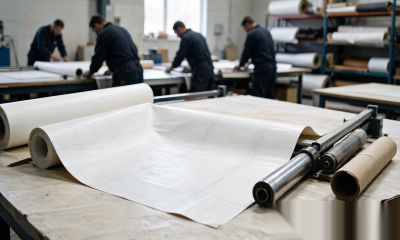
TPO Coated Fabric is a versatile industrial textile manufactured by Kezhibo New Materials. It features a thermoplastic polyolefin (TPO) coating applied to a high-strength base fabric, offering excellent weatherability, chemical resistance, and mechanical performance. This TPO Coated Fabric is designed for demanding applications where durability and reliability are paramount.
Technical Parameters
- Weight: Custom (typically 500–1500 g/m²)
- Width: Custom (up to 3.2 m)
- Thickness: Custom (0.3–2.0 mm)
- Color: Custom (standard: black, white, grey)
- Material: TPO coated polyester or nylon fabric
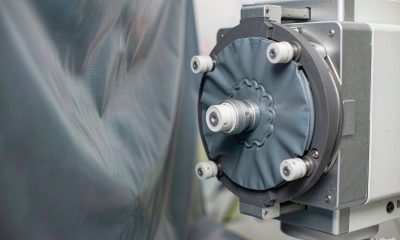
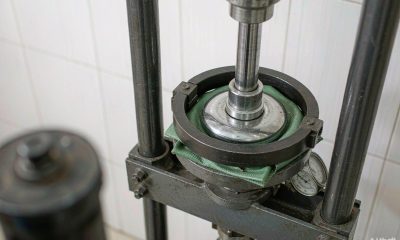
- Tensile Strength: Custom (typically 1500–4000 N/5cm)
- Tear Strength: Custom (typically 150–400 N)
- Adhesion: Custom (typically 80–150 N/5cm)
- Flame Retardancy: Custom (meets various standards)
Parameter Analysis
The TPO coating provides excellent UV resistance, flexibility at low temperatures, and resistance to chemicals and abrasion. The base fabric contributes high tensile and tear strength, ensuring the composite can withstand heavy loads and mechanical stress. Adhesion between the coating and fabric is critical for long-term performance, and our manufacturing process ensures strong bonding. Flame retardancy can be tailored to meet specific industry regulations.
Application Scenarios
- Tarpaulins and Covers: For trucks, outdoor storage, and construction sites.
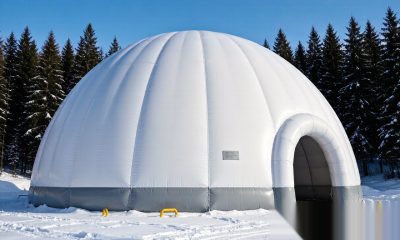
- Tents and Shelters: For temporary or permanent structures.
- Geomembranes: For environmental protection and water containment.
- Protective Clothing: For industrial and agricultural use.
- Inflatable Products: Such as boats, airbags, and inflatable structures.
Installation Guide
- Surface Preparation: Ensure the installation surface is clean, dry, and free of sharp objects.
- Cutting: Use sharp tools to cut the fabric to the desired size, avoiding fraying.
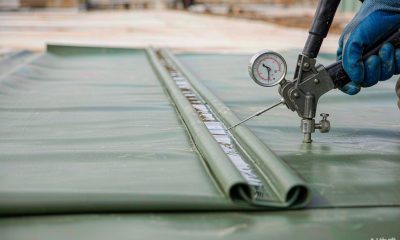
- Seaming: For joining panels, use heat welding or appropriate adhesives designed for TPO materials.
- Fastening: Use grommets, ropes, or other fastening systems to secure the fabric in place.
- Tensioning: Apply proper tension to prevent sagging and reduce stress on the fabric.
Usage Method
- Handling: Avoid dragging the fabric on rough surfaces to prevent damage.
- Cleaning: Use mild soap and water; avoid harsh chemicals that may degrade the coating.
- Storage: When not in use, fold or roll the fabric and store in a cool, dry place away from direct sunlight.
Maintenance Advice
- Regular Inspection: Check for tears, punctures, or signs of wear, especially after severe weather.
- Cleaning: Remove dirt and debris regularly to prevent staining and deterioration.
- UV Protection: Although TPO is UV resistant, prolonged exposure can eventually cause degradation; consider applying a UV protectant if the fabric is used in extreme sunlight.
Repair Tips
- Small Tears: Clean the area, apply a TPO repair patch with adhesive or heat welding.
- Punctures: Use a patch kit or sealant designed for TPO materials.
- Seam Separation: Re-weld or re-adhere the seam using appropriate techniques.
Procurement Advice
When ordering TPO Coated Fabric, specify the required weight, width, thickness, color, and any special properties such as flame retardancy or UV resistance. Provide your intended application to receive the most suitable product recommendation. Minimum order quantities may apply.
Packaging List
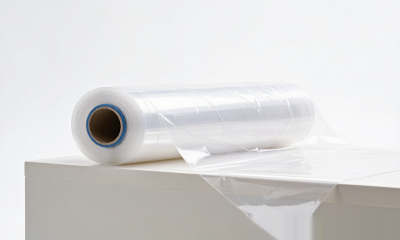
- TPO Coated Fabric rolls (as per order)
- Packing list with product specifications
- Handling instructions (if applicable)
FAQ
Q: What is the maximum width available?
A: Custom widths up to 3.2 meters are available.
Q: Can the fabric be used for outdoor applications?
A: Yes, TPO Coated Fabric is highly weather-resistant and suitable for outdoor use.
Q: Is the fabric flame retardant?
A: Flame retardancy can be customized to meet specific standards; please specify your requirements.
Q: How should I clean the fabric?
A: Use mild soap and water; avoid abrasive cleaners.
Q: Can I weld the fabric for joining?
A: Yes, TPO materials can be heat welded for strong seams.